


Rewind Back To 2001: “The Fast and the Furious” (25th anniversary)
- Matt Palmer
- Jun 9
- 3 min read
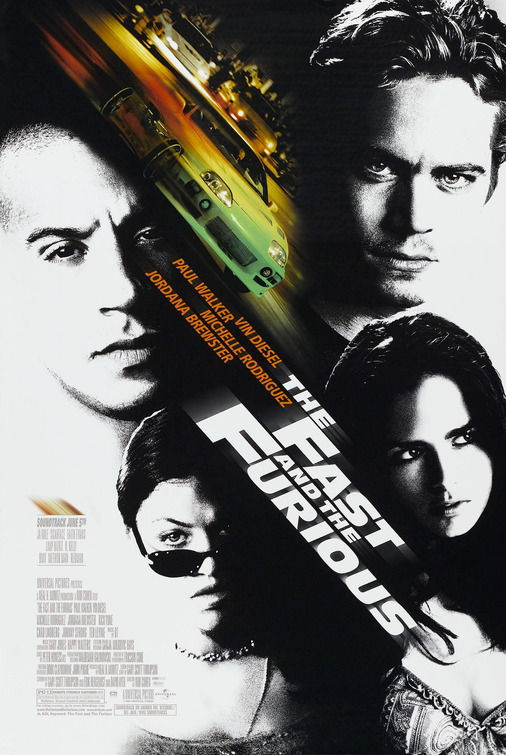
“The Fast and the Furious” was released on June 22, 2001 and even though critics praised the action sequences and the performances, they criticized the story. Despite critical reviews, the 2001 movie grossed $207 million worldwide on a $38 million budget and eventually spawned a huge franchise that consists of many sequels, a spin-off, an animated series (Fast & Furious: Spy Racers) and several video games.
Dominic Toretto enjoys the adrenaline of street car racing and his fans treat him like a rock star. After a blazing encounter with the ruthless Johnny Tran, Dom decides to take Brian, a newcomer to street racing, under his wing.
Trouble is, neither Dom or his team realize he’s an undercover cop, and Dominic and his rival Johnny Tran are both the prime suspects in a case involving dirty money and big-rig hijacking.
While audiences and critics alike recognized the plot was sort of on the derivative side - often comparing it to an automotive version of “Point Break” - fans highly praised the kinetic racing sequences, the underground car culture and the chemistry between Vin Diesel and the late Paul Walker.
After watching this movie numerous times since its release 25 years ago (I still can’t believe this movie is turning 25 this year), I still enjoy how the movie offers a grounded, gritty, and highly kinetic look at underground street racing. Unlike the physics-defying stunts of the later sequels, the original movie resonates with viewers through its raw physical stakes and genuine celebration of imported car culture.
One thing I still like about the first movie is the rapid-cut editing and the creative camera work that gives us an adrenaline-pumping feeling of what it feels like to go from 0 to 100 MPH in a straight line. Also, the CGI POV shots that traveled inside the engine block, showing the nitrous injection, combustion chamber, and the blue exhaust flames before zooming away still looks really awesome.
“The Fast and the Furious” also relied primarily on practical stunt work and real vehicle choreography rather than CGI and this grounded approach helped deliver an authentic adrenaline rush that made the high-speed racing feel incredibly visceral and thrilling. The climax of the movie - where Dom’s crew drives heavily modified Honda Civics underneath a moving semi-truck - became a fan favorite sequence because it was

executed in-camera by professional stunt drivers.
This 2001 movie features some iconic/memorable sequences that fans of the franchise will still enjoy today, such as the quarter-mile finale where Dom and Brian race, Dom’s garage confession where he talks about the death of his father, and of course, the first night race.
The 2001 movie “The Fast and the Furious” received mixed reviews from critics but was a massive hit with audiences. Critics found it sleek and action-packed but lacking in depth, while viewers praised its adrenaline-pumping moments, charismatic cast, and escapist appeal, cementing it as a cult classic.
MPA: Rated PG-13 for violence, sexual content and language (runtime 106 minutes)
Initial release date: June 22, 2001
Streaming services: Peacock/various PVOD services (as of writing this review)
Neither Michelle Rodriguez nor Jordana Brewster had driver's licenses or even learner's permits before production of the film.
Paul Walker and Matt Schulze carefully choreographed the fight scene outside the grocery store, but when it came time to shoot, it didn't feel right. In the end, they just improvised.
During the Race Wars, real-life drivers brought their cars to participate in the huge scene.
Over 1,500 cars were at the Race Wars.
Mark Wahlberg, Christian Bale and Eminem were all considered for the role of Brian O'Conner before Paul Walker was cast.
Working titles for the movie included "Racer X", "Redline" and "Race Wars".
The title rights, not the story rights, to the film The Fast and the Furious (1954), were purchased so that the title could be used on this project, another film about racing. The original film was shown in a theater owned by the grandfather of producer Neal H. Moritz.
Was inspired by the 1998 Vibe article, "Racer-X".
There is a bonus extra scene after the rolling end credits.


Comments